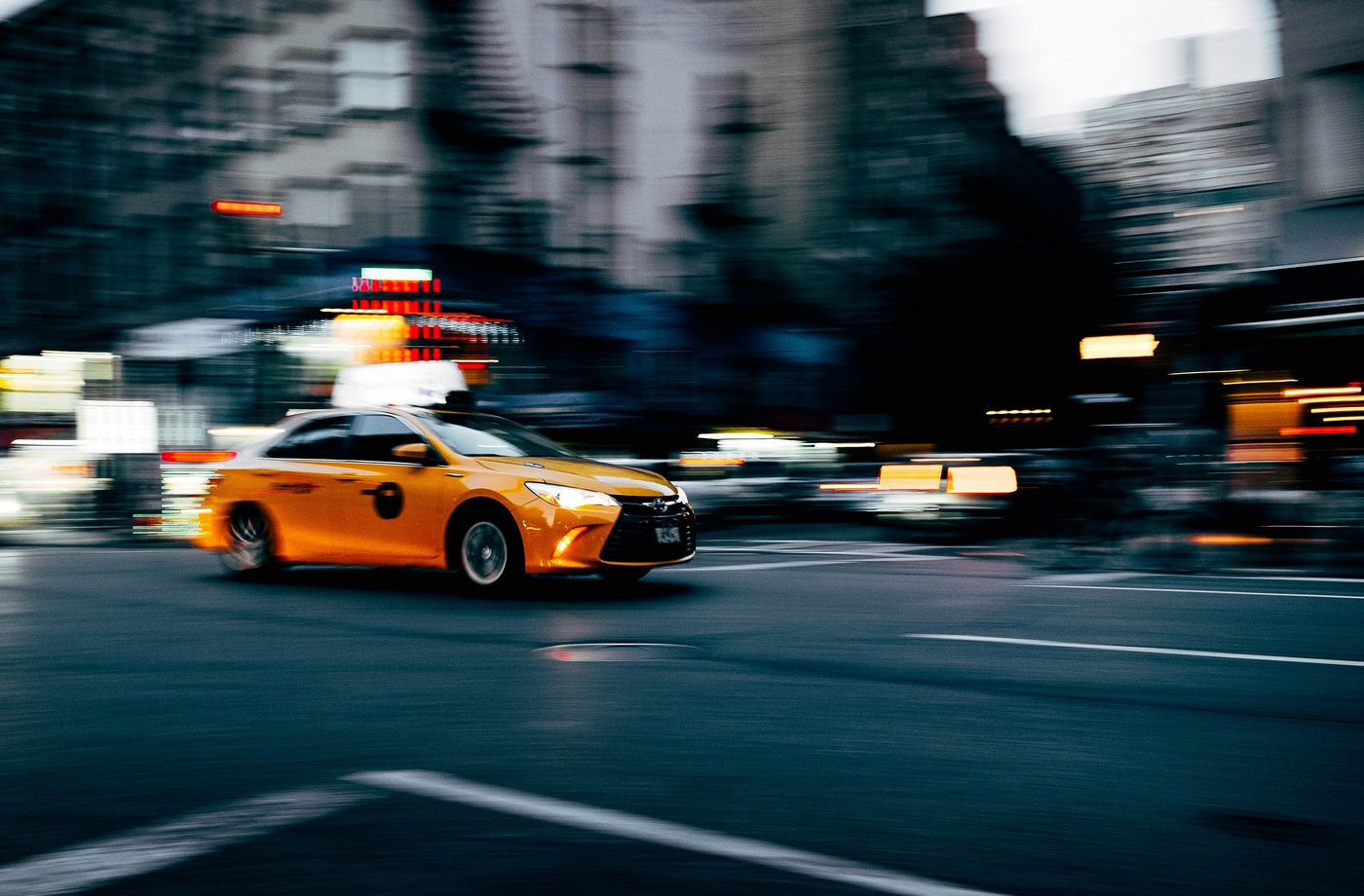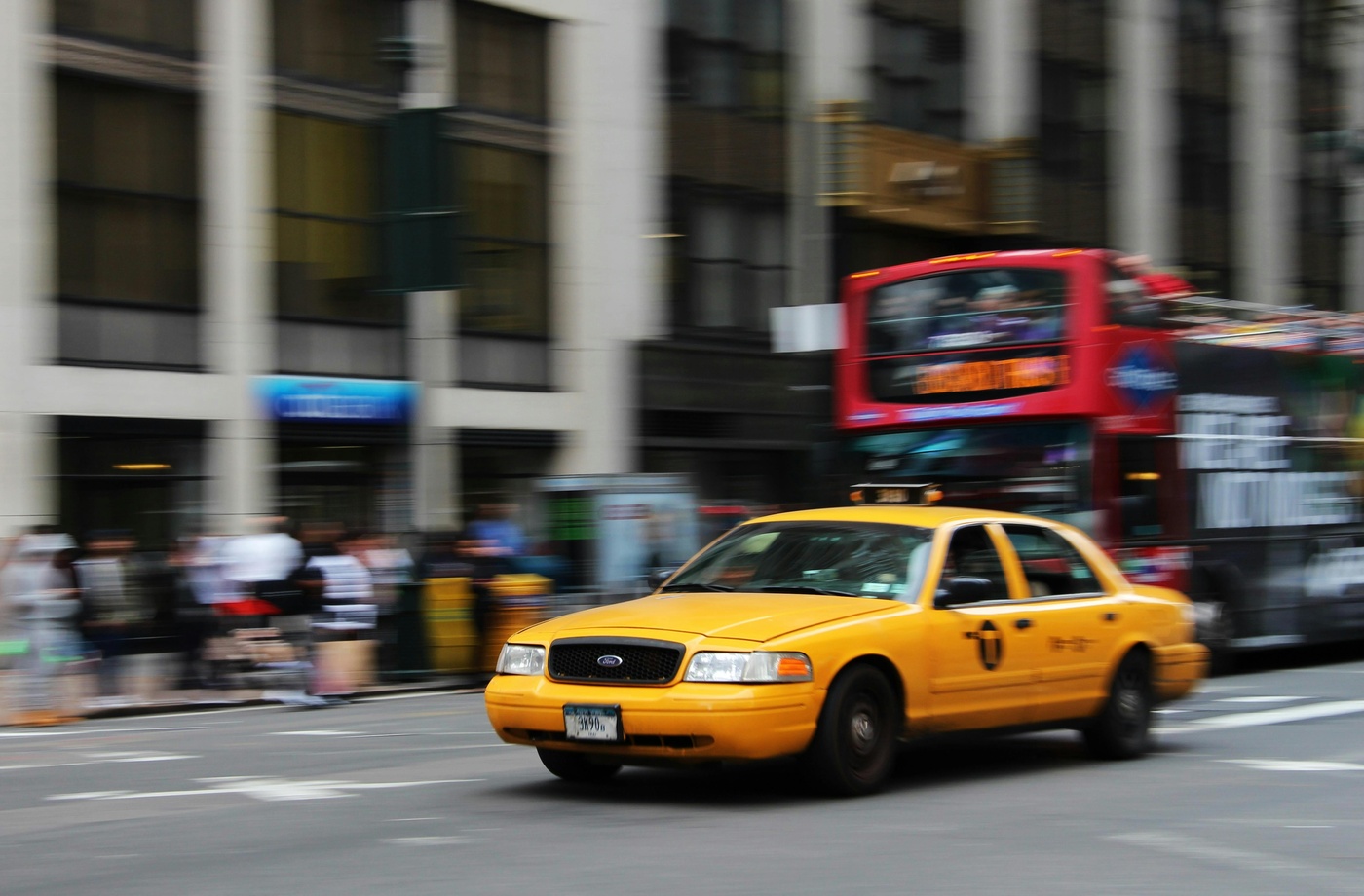
Whether you’re managing a taxi fleet or hailing a ride as a passenger, safety is a top priority. As vehicle technology evolves and rider expectations shift, modern taxis are increasingly equipped with features designed to protect both drivers and passengers. While older vehicles still operate in many cities, newer models and upgraded cabs are offering enhanced safety tools that go beyond basic locks and seat belts.
Here are the key safety features that every modern taxi should have—and why they matter.
- Partition shields between driver and passenger
Partition barriers, often made of plexiglass or polycarbonate, are common in cities like New York, Chicago, and San Francisco. These shields help:
- Deter physical assaults
- Reduce the spread of airborne illness
- Provide an added layer of privacy and security
Many municipalities require partitions for medallion taxis or offer subsidies for their installation. You can review examples through the NYC Taxi & Limousine Commission.
- GPS tracking and vehicle monitoring
Modern taxis are equipped with GPS systems that track routes, driver behavior, and pickup/drop-off history. This technology improves:
- Real-time dispatch efficiency
- Dispute resolution between drivers and passengers
- Emergency response tracking if incidents occur
GPS data is also useful for fleet audits and route optimization, especially in high-density cities.
- In-car cameras (dashcams and cabin cameras)
Many fleets install cameras for safety and accountability. These include:
- Dashcams that record the road ahead
- Cabin-facing cameras to monitor interactions
- Event-triggered recording during sharp stops, door opens, or distress signals
Some jurisdictions, such as Chicago, require certain taxi vehicles to have working in-car cameras. Check local laws through city websites or transportation departments.
- Contactless and secure payment systems
Beyond convenience, digital payment systems reduce the need for cash on board, lowering the risk of theft. Modern payment terminals should support:
- Credit/debit cards
- Mobile wallets (Apple Pay, Google Pay)
- Tap-to-pay and EMV chips
- Printed or emailed receipts
Taxis in major cities like London, San Francisco, and New York now mandate contactless payments across all official fleets.
- Emergency alert buttons
Discreet panic buttons installed near the driver’s seat allow drivers to instantly alert dispatch or emergency services if they feel threatened. These alerts may trigger:
- Silent location tracking
- Video recording
- Dispatch intervention
While not visible to passengers, these systems offer essential protection, particularly during late-night or isolated routes.
- Automatic door locks and window controls
Driver-controlled locks and windows help prevent unwanted exits or entries, especially when transporting vulnerable passengers. This feature is standard on most new taxi-ready sedans and hybrid models.
- Anti-lock braking systems (ABS) and electronic stability control (ESC)
These standard safety features reduce the risk of skidding and maintain vehicle control during sudden stops or on wet roads. Any fleet vehicle purchased in the last decade should come equipped with both ABS and ESC.
- Driver fatigue monitoring and alerts
Advanced models—especially in electric or hybrid fleets—may include sensors that detect erratic driving behavior, lane drifting, or eye closure. These systems can warn drivers before a safety risk escalates.
Final thoughts
The safety of a taxi ride depends not just on the driver but on the tools built into the vehicle. Whether you’re managing a fleet or selecting a cab at the curb, these modern safety features provide critical layers of protection. As taxi fleets modernize alongside rideshare competitors, passengers and drivers alike benefit from upgraded technology designed to keep every trip safer and more secure.